
Common Misconceptions About Driving in Nigeria: Expert Insights


Understanding Road Conditions
One common misconception about driving in Nigeria is that all roads are in poor condition. While it's true that some areas may have challenging roads, many highways and urban streets are well-maintained. It's important for drivers to stay informed about road conditions in different regions to plan their routes effectively.

Weather and Its Impact
Another myth is that driving in Nigeria is dangerous due to unpredictable weather. While the country does experience rainy seasons, which can lead to flooding, drivers can take precautions. Checking weather forecasts and planning trips accordingly can help mitigate risks. Moreover, local authorities often provide updates on weather-related road conditions.
Traffic Laws and Enforcement
Some people believe that traffic laws are not enforced in Nigeria, leading to chaos on the roads. However, the Federal Road Safety Corps (FRSC) works diligently to enforce regulations and ensure road safety. Drivers are encouraged to familiarize themselves with local traffic laws to avoid penalties and ensure a smooth driving experience.

Driving Culture
There is a perception that Nigerian drivers are aggressive and reckless. In reality, driving culture varies widely across the country, just like in any other nation. While some areas may experience more aggressive driving behaviors, many drivers follow rules and drive responsibly. Adapting to local driving styles and remaining patient can enhance your driving experience.
Vehicle Maintenance
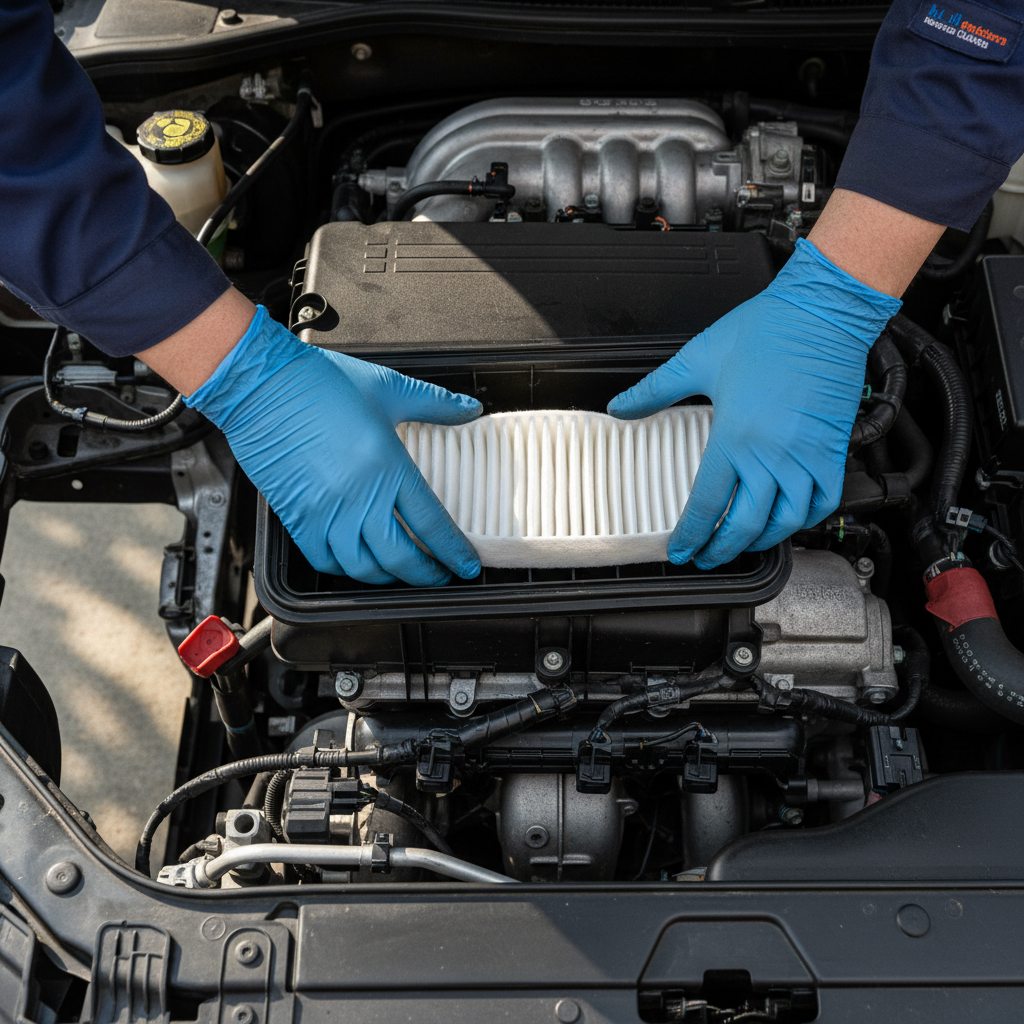
Many assume that vehicles in Nigeria are poorly maintained, leading to frequent breakdowns. This is not necessarily true, as many drivers prioritize regular maintenance to ensure reliability. It's essential for drivers to conduct routine checks and repairs to keep their vehicles in good condition, especially when traveling long distances.
Fuel Availability
Concerns about fuel shortages are another common misconception. While there might be occasional scarcity, fuel is generally available in urban areas and along major highways. Planning your fuel stops and keeping an eye on fuel levels can help prevent unexpected issues.
Safety Tips for Travelers
For those unfamiliar with driving in Nigeria, there are several safety tips to consider. Always carry essential documents, have a reliable GPS or map, and avoid driving at night in unfamiliar areas. Staying alert and cautious can significantly enhance your safety on the road.

Conclusion
Driving in Nigeria comes with its unique set of challenges and misconceptions. By understanding the realities and preparing accordingly, drivers can enjoy safe and enjoyable journeys. Always stay informed, plan ahead, and adapt to local conditions to make the most of your driving experience in Nigeria.